Contact Kelly McNamara for information on products, services or locations.
Choosing the right Automatic Can Seamers can shape your entire packaging operation. A reliable machine protects product quality, reduces waste, and supports steady production. Yet the best choice is rarely the fastest model on a sales sheet.
Real production conditions matter. Can diameter, lid material, filling temperature, and target speed all influence seam performance. A machine that handles 120 cans per minute may struggle with your actual container sizes. Watch the details. Check seam thickness, overlap, countersink depth, and pressure consistency during testing.
This guide presents ten practical tips for comparing Automatic Can Seamers with greater confidence. It examines machine construction, changeover time, control systems, maintenance access, operator safety, and technical support. It also considers food-contact materials and documentation from established manufacturers. Ask for sample runs. Inspect sealed cans under realistic conditions. Request test records, service schedules, and replacement-part information before making a decision.
No checklist is perfect. Your production line may expose problems that a factory demonstration hides. A quiet showroom cannot reveal every vibration, adjustment delay, or cleaning difficulty. That is why experienced buyers combine specifications with hands-on evaluation. They speak with operators, review supplier credibility, and measure total ownership costs over time. A slightly higher purchase price may prevent repeated downtime later. Choose evidence over impressive promises. Your final decision should fit your cans, team, facility, and long-term quality goals.
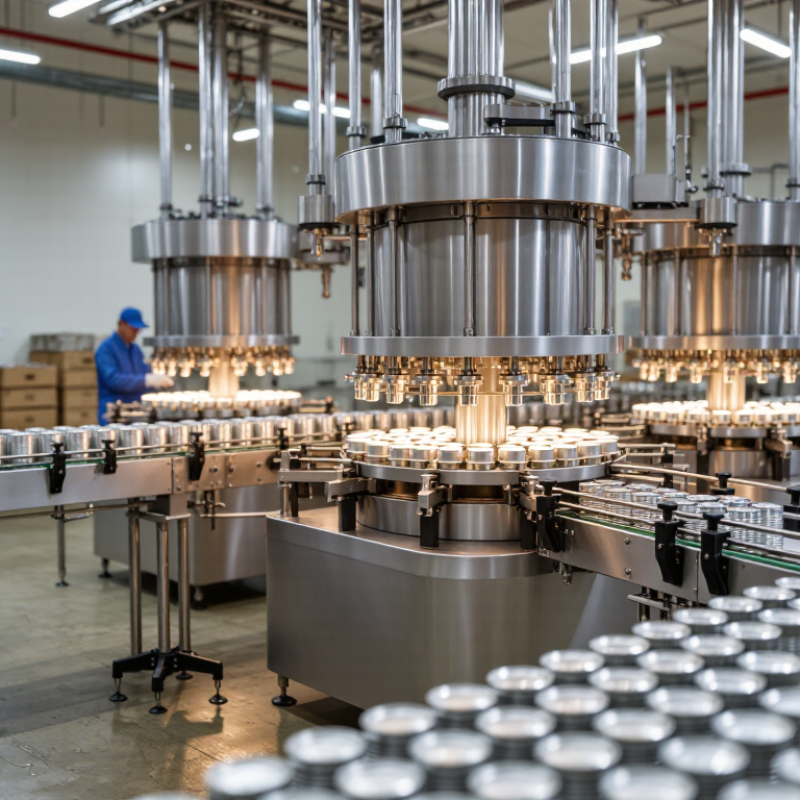
Before choosing an automatic can seamer, define what your production line must actually handle. Record the required output per minute, operating hours, can diameter, can height, and lid type. Include the product inside each can. Viscous fillings may require different speeds and handling than thin liquids. A realistic figure matters. Do not rely only on future sales forecasts. Review the last twelve months of orders, including seasonal peaks and rejected batches.
Capacity is more than a machine’s advertised speed. Calculate the stable operating rate after changeovers, cleaning, inspections, and minor stoppages. If the line needs 180 sealed cans per minute, selecting equipment rated at exactly 180 may leave no practical margin. Allow space for growth, but avoid paying for unused capacity. Peak demand can be misleading. Operators may also need simple controls for adjusting settings between can sizes. Test this process with real containers, not only demonstrations.
Production needs include maintenance access, staff skills, floor space, and utility requirements. Ask how quickly worn sealing parts can be replaced. Check whether operators can inspect seams without slowing the line. Confirm that guarding, emergency controls, and documentation meet applicable local requirements. Request seam samples from actual production materials. A short trial often reveals feeding problems, lid distortion, or inconsistent sealing pressure. It may also challenge your original specifications. That is useful. A small change in can dimensions can affect the entire equipment choice.

Automatic can seamers should be compared by seaming mechanism, not headline speed. Rotary chuck-and-roll systems use controlled first- and second-operation rolls. They suit stable, high-volume production. Servo-driven rolls can improve adjustment accuracy, especially when can diameters change. However, mechanical simplicity may be more valuable than advanced controls in smaller facilities.
Intermittent machines pause cans during seaming. This design supports careful inspection and simpler changeovers, but it can reduce hourly output. Continuous rotary systems maintain product flow and usually occupy more floor space. Inline configurations connect filling, seaming, and inspection. Standalone units offer greater layout flexibility. PMMI’s 2023 State of the Industry report placed U.S. packaging machinery shipments at roughly 10 billion dollars in 2022, showing why scalable configurations matter to growing processors.
Check the machine’s proven seam range. Ask for measured overlap, tightness, countersink, and seam thickness data. Do not rely only on sample cans. The Can Manufacturers Institute recommends routine teardown analysis because visual inspection cannot confirm every critical seam dimension. I once overvalued maximum speed and underestimated changeover time. That was an expensive lesson. A machine producing 300 cans per minute may lose its advantage after frequent format adjustments. Consider washdown access, tooling costs, operator training, and spare-part availability. Request production trials using your actual can body, end, filling temperature, and closure compound. Small differences matter.
When choosing an automatic can seamer, start with can size compatibility. Measure the can diameter, height, flange profile, and body material. Do not rely only on a listed size range. Two cans with the same diameter may require different tooling. A narrow flange can change the seam result.
Ask how quickly the machine adjusts between sizes. Handwheels, indexed settings, shims, and digital position displays each offer different control. Tool-free adjustments may reduce changeover time, but they are not always more accurate. Check whether operators can adjust the chuck, lifter, and seaming rolls independently. Clear scales and lockable settings help prevent accidental movement.
Test the machine with your actual cans, lids, and production speed. Watch for wrinkles, loose seams, metal damage, or inconsistent countersink depth. Open several sample seams and measure their overlap, thickness, and tightness. A short trial is more useful than a polished demonstration. Ask for adjustment instructions, maintenance intervals, calibration guidance, and replacement tooling details. I would also check whether new operators can repeat the settings without guessing. This point is easy to overlook. Even experienced staff can miss a small height difference during a rushed changeover. A machine may fit many can sizes on paper, yet perform poorly when adjustments are vague or difficult to verify.
10 Tips for Choosing Automatic Can Seamers
Check Speed, Sealing Accuracy, and Quality Control Features
A fast can seamer is not automatically the best choice. Check its stable output during a full production shift. Short demonstrations can hide problems caused by heat, vibration, or changing can sizes. Ask for speed data at your intended container dimensions. Then compare actual cans per minute with the advertised figure.
Sealing accuracy deserves closer attention. Inspect the machine’s control over seam thickness, overlap, countersink, and pressure. Small deviations can weaken package integrity. Request trial samples and measure them with suitable seam inspection tools. Review how quickly operators can adjust settings between products. Easy access matters. However, a simple control panel does not guarantee accurate results. Calibration still requires trained staff and regular checks.
Quality control features should detect faults before many cans are affected. Look for sensors, automatic rejection, alarm records, and clear production data. The system should identify missing lids, damaged flanges, and unusual seam conditions. Data logging supports traceability and helps maintenance teams find repeated failures. Ask whether records can be exported for audits. Do not overlook cleaning access around the chuck and seaming rolls. I once focused too heavily on speed and underestimated inspection time. That was a costly assumption. A slower machine with dependable controls may protect quality better than a faster, unstable unit. Test it under realistic conditions. Review the results with operators, engineers, and quality personnel before making a final decision.
| No. | Selection Tip | Key Data to Check | Practical Benchmark or Requirement | Quality-Control Feature | Why It Matters |
|---|---|---|---|---|---|
| 1 | Match the Required Speed | Cans per minute; continuous or intermittent operation | Select a rated output at least 15–20% above the normal production requirement to accommodate changeovers and short-term demand peaks. | Production counter, speed adjustment, and overload protection | Adequate capacity reduces bottlenecks and prevents continuous operation at the machine’s maximum limit. |
| 2 | Verify Can-Size Compatibility | Can diameter, can height, lid format, and tooling range | Confirm the machine supports every required container size and provides documented change parts for each format. | Recipe-controlled format settings and tool-position indicators | Correct tooling prevents instability, lid damage, and inconsistent seam formation during format changes. |
| 3 | Check Sealing Accuracy | Seam thickness, seam width, countersink, and hook overlap | Use the container manufacturer’s specification; typical metal-can seam checks include cover hook, body hook, overlap, tightness, and seam thickness. | Adjustable seaming rolls, calibrated gauges, and inspection access | Accurate seam geometry helps maintain package integrity and limits leakage or contamination risk. |
| 4 | Evaluate Seam Consistency | Variation between cans and across operating shifts | Request repeatability data from trial runs and verify that measurements remain within the approved process tolerance. | Automatic parameter monitoring and trend charts | Low variation improves product protection and makes quality results easier to document. |
| 5 | Inspect Fill-Level Control | Fill height, product splash, headspace, and lid placement | Define a stable fill target and headspace according to the product, container design, and applicable process requirements. | Level sensors, no-can/no-lid detection, and automatic reject | Stable filling reduces product trapped in the seam and helps prevent defective closures. |
| 6 | Prioritize In-Line Detection | Missing lids, tilted lids, damaged cans, and seam defects | Choose detection points before and after seaming, with a reject mechanism that separates suspect containers from good production. | Photoelectric sensors, vision inspection, and reject confirmation | Early detection limits defective products entering downstream packaging or distribution. |
| 7 | Review Material and Hygiene Design | Food-contact surfaces, corrosion resistance, cleanability, and drainage | For food applications, verify suitable food-contact materials and a design that supports routine cleaning and sanitation procedures. | Washdown-compatible construction, guarded lubrication, and removable contact parts | Hygienic construction reduces contamination hazards and simplifies preventive maintenance. |
| 8 | Measure Changeover Efficiency | Changeover time, tool count, adjustment method, and setup errors | Compare the documented changeover procedure with your production schedule and prioritize tool-free or quick-adjust features where appropriate. | Digital setup recipes, position scales, and changeover checklists | Shorter, repeatable changeovers increase available production time and reduce setup-related defects. |
| 9 | Check Data and Traceability | Batch records, alarm history, user access, and export options | The control system should record operating settings, production counts, alarms, rejects, and inspection results for each batch or shift. | HMI event log, role-based access, data backup, and CSV or network export | Reliable records support root-cause analysis, audits, and evidence-based process improvement. |
| 10 | Assess Maintenance and Safety | Access to wear parts, lubrication points, guarding, and service support | Request a preventive-maintenance schedule, critical spare-parts list, safety documentation, and operator training requirements. | Interlocked guards, emergency stops, maintenance alerts, and fault diagnostics | Good maintainability and safety design improve uptime while protecting operators and preserving seam quality. |
Assess Safety, Maintenance, Costs, and Supplier Support
Safety should be checked on the machine, not accepted from a brochure. Look for guarded moving parts, accessible emergency stops, and clear fault indicators. During a factory trial, watch how operators load cans and remove jams. Their hand movements often reveal risks that specifications miss. Test seam quality at different speeds, then inspect the results with proper measuring tools.
Maintenance affects production more than many buyers expect. Ask how often lubrication, cleaning, and part replacement are required. A machine with exposed adjustment points is easier to inspect. Keep critical spare parts available, especially sensors, belts, and sealing components. I once underestimated cleaning time during a busy shift. That was my mistake. Include labor hours in the maintenance estimate.
Purchase price is only one cost. Calculate energy use, changeover time, training, spare parts, and possible downtime. Ask the supplier for written service terms, response times, installation support, and operator training. Speak with experienced users if possible, but verify their conditions match yours. Technical support should explain problems clearly, not simply recommend replacement parts. A remote video call may solve a minor adjustment, while repeated faults need qualified on-site service. Leave room for doubt. A polished demonstration cannot predict every production day.