What is Metal Manufacturing and How Does it Impact Our Daily Lives?
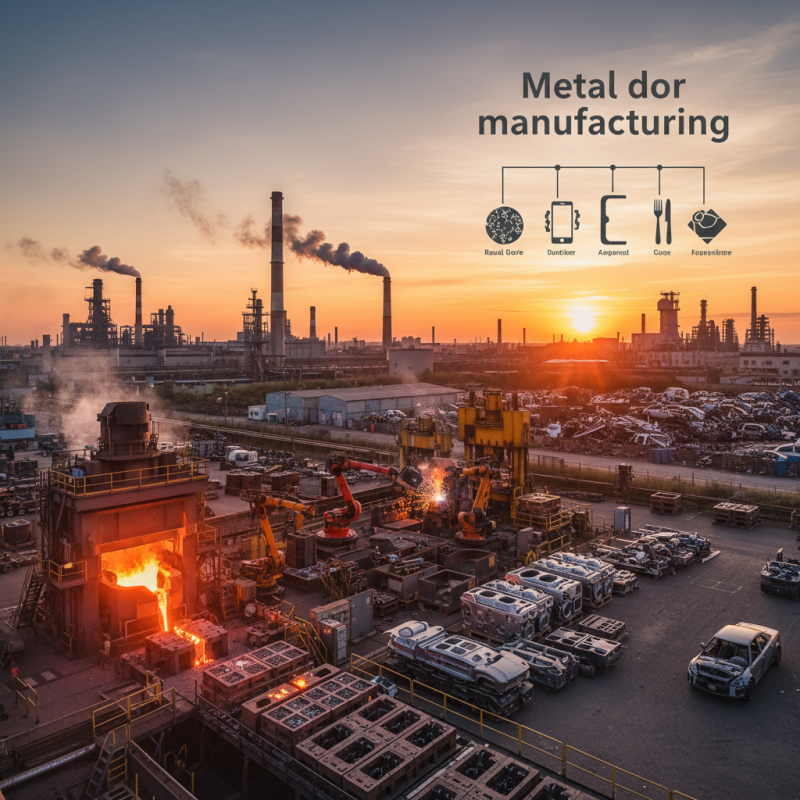
Metal manufacturing plays a crucial role in our daily lives. It shapes the tools and products we use every day. From kitchen utensils to car parts, metal components are everywhere. This industry transforms raw materials into essential items. However, the process is not perfect. It often requires significant energy and can generate waste.
Many take metal manufacturing for granted. Yet, without it, our modern conveniences would vanish. Consider how a simple smartphone relies on various metals. The intricate production process ensures functionality and durability. Still, challenges exist. Environmental impact is a growing concern. Recycling efforts can mitigate some of these issues.
Metal manufacturing is vital for innovation. New techniques improve efficiency and sustainability. As we move forward, it’s important to reflect on how we can enhance these processes. The goal should be to balance consumer needs with environmental responsibility.
What is Metal Manufacturing?
Metal manufacturing is a complex and vital process. It involves transforming raw metal into usable products. This industry is essential for building our infrastructure and creating everyday items. From the steel beams in skyscrapers to the aluminum cans we use for drinks, metal manufacturing shapes our environment.
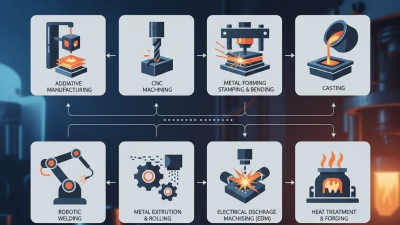
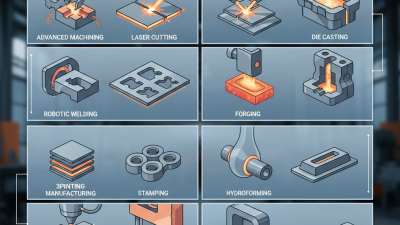
Various techniques are used in metal manufacturing. For instance, forging, casting, and machining are common methods. Each method has its strengths and weaknesses. Forging can create strong components, but it's often time-consuming. Casting, although efficient for large quantities, sometimes results in flaws. Innovations continue to emerge, yet the industry faces challenges like waste and energy consumption.
Metal manufacturing significantly impacts our daily lives. We rely on it for transportation, technology, and household items. However, the environmental footprint is a concern. The industry can be wasteful, and recycling metals often isn't prioritized. While it provides benefits, there’s room for improvement. As we use these metal products, we should reflect on their journey and the resources consumed.
Key Processes in Metal Manufacturing
Metal manufacturing involves a series of key processes that transform raw materials into finished products. This includes techniques like casting, forging, and machining. Each method serves specific functions and results in various metal forms. For instance, casting allows for intricate shapes, while forging enhances strength.
One common process is machining, which involves removing material to achieve exact specifications. This precision helps in creating components used in machinery and everyday items. Another vital method is welding, which joins metal parts together. The quality of welds can vary, affecting durability. Sometimes, issues arise during manufacturing, leading to defects. These challenges can prompt further evaluation and improvements.
Metal manufacturing impacts many everyday items. From the frames of cars to kitchen appliances, metal plays a crucial role. However, the processes involved can have environmental consequences. They can produce waste and emissions. This raises questions about sustainability in the industry. As we navigate these challenges, reflection on methods and practices can lead to a better balance between innovation and responsibility.
Common Metals Used in Everyday Products
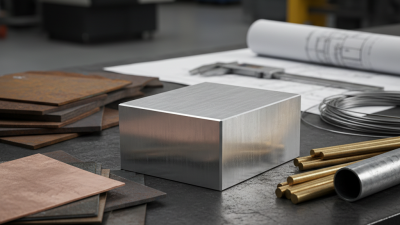
Metals are vital in our daily lives, found in many common products. Steel, aluminum, and copper are prevalent. For instance, steel accounts for about 70% of all metal production, symbolizing our construction industry's backbone. Buildings, cars, and bridges are made from it. Aluminum, lightweight and resistant to corrosion, is essential for packaging. About 80 million metric tons of aluminum were produced globally in 2020 alone.
Copper is another critical metal often overlooked. It's primarily used in electrical wiring and plumbing. The world produced around 20 million metric tons of copper in 2021. Its conductivity makes it ideal for electronic devices, from smartphones to kitchen appliances. Sound familiar? You likely use products containing these metals daily.
However, metal manufacturing has its drawbacks. The extraction process can be environmentally damaging. Biodiversity loss and habitat destruction are common. As we benefit from these metals, we also need to reflect on their impact. Efficient recycling can help reduce waste, but only if widely adopted. The challenge remains: balancing our metal needs with the planet's health.
The Role of Metal Manufacturing in Technology and Innovation
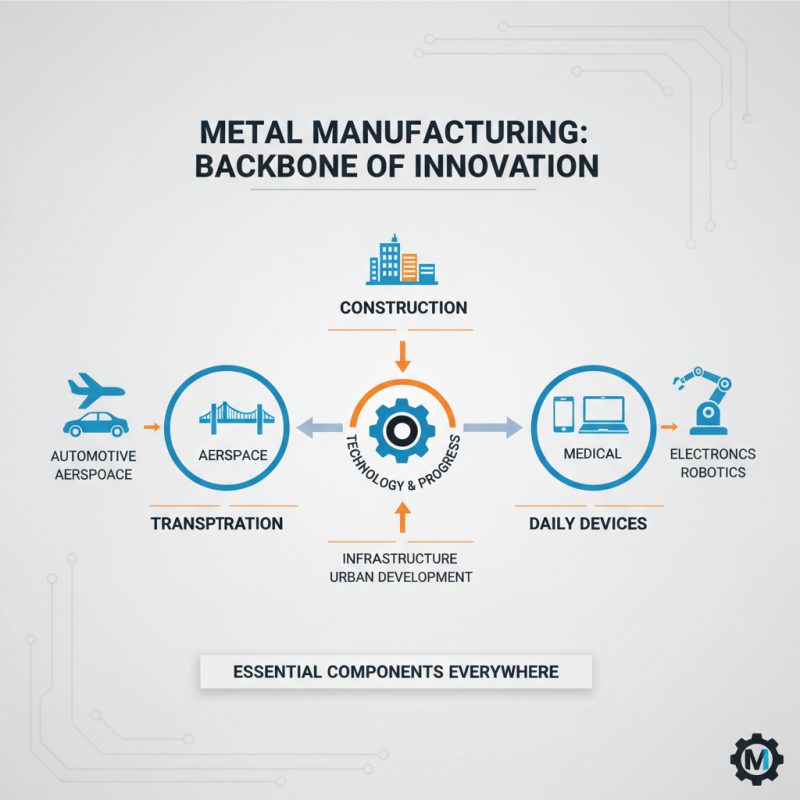
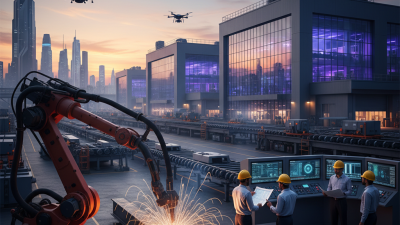
Metal manufacturing plays a vital role in driving technology and innovation. It is the backbone of many industries. From transportation to construction, metals are everywhere. Think about the cars we drive, the buildings we inhabit, and the devices we use daily. Each of these relies heavily on metal components, showcasing the seamless integration of metal in our lives.
Innovation often sparks from the ability to manipulate metals creatively. Advances in metallurgy lead to lighter, stronger materials. These improvements enhance the performance of electronic devices. However, this rapid progress raises questions. Are we considering the environmental impacts? Mining and production processes can be resource-intensive. Striking a balance between innovation and sustainability remains a challenge.
Emerging technologies like 3D printing are changing the landscape of metal manufacturing. Custom components can be created quickly, reducing waste. This is a fascinating shift, yet it prompts reflection. Is mass production still relevant? As we develop more efficient methods, we must evaluate traditional practices. The journey of metal manufacturing is filled with potential and requires careful thought.
Environmental Impact of Metal Manufacturing Practices
Metal manufacturing plays a crucial role in our lives. However, its environmental impact cannot be overlooked. The process often involves significant energy consumption and emissions. Factories release pollutants that contaminate air and water. This leads to health issues for nearby communities.
Waste generated during metal production is another concern. Scrap metal can be recycled, but much ends up in landfills. This waste can leach toxic substances into the soil. The mining of raw materials also causes habitat destruction. This threatens wildlife and disrupts local ecosystems.
Many manufacturers are exploring greener practices. Techniques like using renewable energy can help reduce carbon footprints. However, these changes take time and investment. The challenges are considerable, and reflection on current methods is necessary. Transitioning to sustainable practices is not an overnight fix. Each small effort can lead to a more responsible future.
What is Metal Manufacturing and How Does it Impact Our Daily Lives? - Environmental Impact of Metal Manufacturing Practices
| Aspect |
Description |
Environmental Impact |
Mitigation Strategies |
| Raw Material Extraction |
Mining of metals such as iron, aluminum, and copper. |
Habitat destruction, soil erosion, and pollution from mining processes. |
Recycling metals, eco-friendly mining practices. |
| Manufacturing Process |
The conversion of raw materials into finished metal products. |
Air emissions, water usage, and waste generation. |
Adopting clean technologies, waste management systems. |
| Transportation |
Moving raw and finished metals to and from manufacturing sites. |
Carbon emissions from vehicles, potential spillages. |
Using electric vehicles, optimizing logistics. |
| End-of-Life Disposal |
Disposing of metal products after their useful life. |
Landfill contributions and resource waste. |
Implementing recycling programs, promoting product longevity. |