| Material Grade |
Specify the exact alloy and applicable material standard, such as carbon steel, stainless steel, aluminum, or copper alloy. |
Controlled material sourcing, heat or batch traceability, and access to certified material suppliers. |
Review the material test report and confirm the chemical composition and mechanical properties against the specified standard. |
Critical |
| Part Dimensions |
Define overall dimensions, wall thickness, hole locations, bend angles, and other geometry shown on the approved drawing. |
Suitable equipment capacity, calibrated measuring tools, and documented dimensional inspection procedures. |
Check sample inspection reports, equipment working ranges, and measurement records for comparable parts. |
Critical |
| Dimensional Tolerance |
Identify general tolerances and tighter tolerances for functional features, mating surfaces, and critical holes. |
Process control suitable for the required tolerance, supported by inspection planning and capability monitoring. |
Request first-article results, capability data where applicable, and calibration certificates for inspection equipment. |
Critical |
| Processing Method |
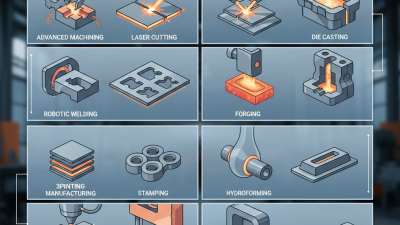
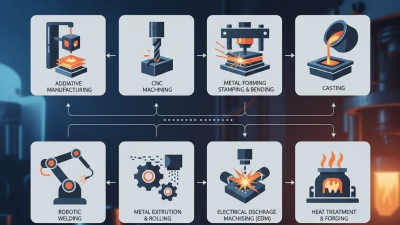
Select cutting, laser cutting, machining, bending, stamping, forming, welding, or a combination of processes. |
Relevant machinery, qualified operators, stable process parameters, and experience with the required material and geometry. |
Compare equipment specifications with the drawing requirements and review representative process samples. |
Critical |
| Surface Finish |
Define roughness, visual appearance, edge condition, burr limits, and any required finishing treatment. |
In-house or controlled finishing processes such as deburring, grinding, polishing, blasting, plating, or painting. |
Specify measurable roughness values where needed and review finish samples or inspection records. |
High |
| Welding Requirements |
Define weld type, size, location, visual acceptance criteria, and any requirements for penetration or non-destructive testing. |
Qualified welding personnel, approved welding procedures, suitable consumables, and controlled weld inspection. |
Review welding procedure qualifications, welder qualifications, weld maps, and inspection reports when required. |
High |
| Production Volume |
State prototype quantity, monthly demand, annual forecast, batch size, and expected order frequency. |
Available production capacity, scalable staffing, repeatable tooling, and sufficient raw-material planning. |
Ask for capacity assumptions, production schedules, lead-time history, and contingency planning. |
High |
| Tooling and Fixtures |
Identify whether dedicated dies, jigs, fixtures, cutting tools, or inspection gauges are needed. |
Tool design, fabrication, maintenance, storage, and clear ownership of tooling. |
Confirm tooling cost, lead time, maintenance responsibility, service life, and change-control procedures. |
High |
| Quality Management |
Define inspection stages, acceptance criteria, documentation, nonconformance handling, and corrective-action expectations. |
Documented quality system, inspection personnel, calibration control, and root-cause corrective-action processes. |
Review quality certifications, inspection plans, sample records, and nonconformance procedures. |
Critical |
| Regulatory and Compliance Needs |
Identify industry, safety, environmental, export-control, or customer-specific requirements that apply to the part. |
Ability to maintain compliance records, use controlled materials, and provide required declarations or certificates. |
Create a compliance checklist and verify supporting documents before purchase-order release. |
Critical |
| Lead Time |
Set target timing for quotation, engineering review, prototype approval, production, inspection, and shipment. |
Reliable production planning, material availability, realistic scheduling, and timely communication of delays. |
Compare quoted lead time with historical performance and request a milestone-based delivery plan. |
High |
| Packaging and Delivery |
Define packaging method, corrosion protection, labeling, shipping documents, delivery location, and Incoterms when applicable. |
Protective packaging suitable for the part, accurate labeling, export documentation, and dependable logistics coordination. |
Approve a packaging sample and confirm responsibility for transport damage, insurance, and delivery documentation. |
Medium |
| Cost Structure |
Separate material, processing, tooling, finishing, inspection, packaging, freight, and recurring costs. |
Transparent quotation, clear assumptions, stable pricing methods, and prompt notification of cost changes. |
Compare equivalent quotations using the same drawings, volumes, specifications, delivery terms, and quality requirements. |
High |