Best Materials for Steel Production in 2026?
As the world looks ahead to 2026, the steel industry faces critical changes in materials. The demand for sustainable, strong, and cost-effective materials for steel production will shape the future. Renowned material scientist Dr. Emily Carter once said, "Innovation in material for steel is vital for meeting global demands." Her insight reflects the challenges and opportunities the sector faces.
In 2026, steel producers must adapt to evolving market needs. This transition hinges on adopting advanced materials that enhance performance. Moreover, issues like environmental impact and scarcity of resources loom large. Manufacturers must find a balance between quality and sustainability. New alloys and composites may pave the way.
Expert opinions highlight the importance of innovation. However, the road is not without obstacles. Cost pressures and supply chain stability will test the resilience of the industry. The year 2026 stands as a benchmark for refining the materials used in steel production, demanding collaboration and research for a successful transition.
Current Steel Production Materials and Their Limitations
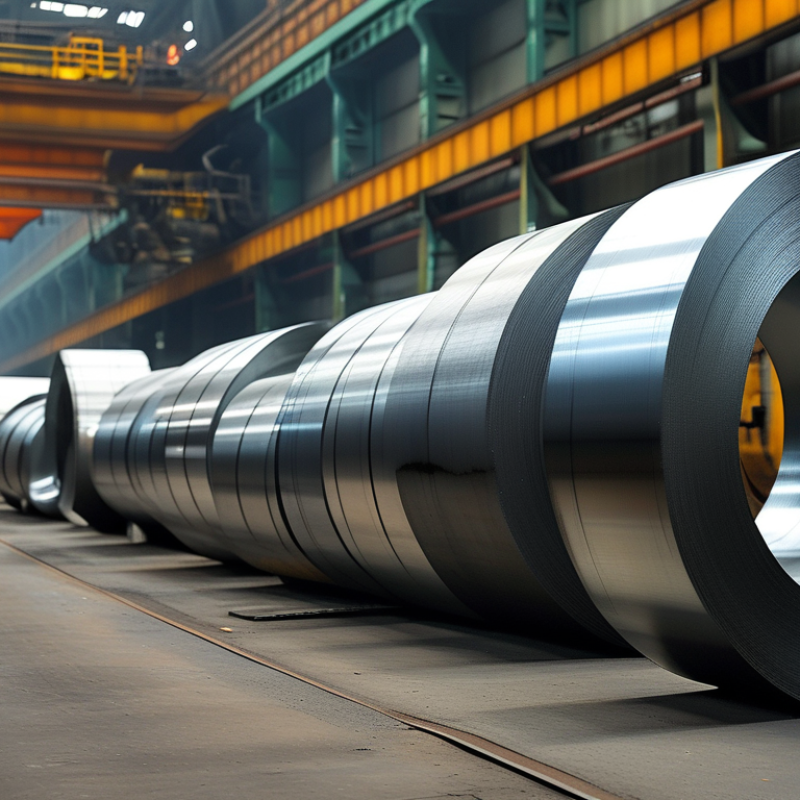
Steel production relies heavily on raw materials like iron ore, coke, and limestone. According to the World Steel Association, in 2021, approximately 1.9 billion tons of crude steel were produced globally. This high demand leads to scrutiny of current materials, which have notable limitations. Iron ore, while abundant, can have varying grades, affecting the final product's strength and quality. Low-grade ores may increase production costs and reduce efficiency.
Coke, derived from coal, poses environmental concerns. Its production emits significant CO2, impacting climate change. The steel industry accounts for about 7% of global emissions, indicating an urgent need for cleaner alternatives. Limestone, utilized as a flux, can introduce impurities that compromise steel's integrity. Additionally, sourcing these materials can strain ecosystems and deplete natural resources. Industry experts emphasize the necessity to innovate and adapt to mitigate these challenges.
In search of greener solutions, researchers are exploring methods such as hydrogen reduction and electric arc furnaces. These technologies could lower emissions and improve resource efficiency. However, transitioning to new materials requires investment and time. Thus, the steel industry faces a critical juncture as it navigates current limitations while striving for sustainable practices.
Innovations in Steel Manufacturing Materials for 2026
Innovations in steel manufacturing materials for 2026 will reshape the industry. Green steel production is gaining traction. Using hydrogen instead of coal significantly reduces carbon emissions during production. This process not only lowers environmental impact but also creates exciting opportunities for sustainable practices in steelmaking.
Utilizing recycled materials is another trend. Steel made from scrap not only conserves resources but also requires less energy. Factories are integrating advanced sorting technology. This ensures better quality in recycled steel. The shift towards circular economies is essential for future steel production methods.
Avoid relying solely on established techniques. New research reveals that novel alloys provide enhanced strength and durability. Collaborating with universities can lead to breakthrough materials. Regular assessment of material performance is crucial. It helps industries adapt to changing demands. Engaging in pilot projects can also showcase the potential of innovative materials.
Sustainability Considerations in Steel Production Materials
Sustainability is key in steel production materials. The steel industry significantly impacts the environment. The carbon footprint of traditional materials raises urgent concerns. For 2026, companies must focus on eco-friendly alternatives.
Recycled steel is an excellent option. It reduces waste and conserves resources. Utilizing scrap metal requires less energy compared to producing new steel. Yet, the availability of high-quality scrap can be inconsistent. This variation sometimes hinders production efficiency.
Bio-based materials are another promising area. They can replace certain traditional inputs. Innovations in plant-based polymers show potential, but research is still ongoing. Challenges remain in scalability and durability. Balancing performance and sustainability is crucial for the future of steel production.
Emerging Technologies Influencing Steel Material Selection
The steel industry is experiencing significant transformations driven by emerging technologies. Advanced automation and digitalization are reshaping material selection processes. The integration of AI and machine learning enables manufacturers to predict performance and optimize production efficiency. Research by McKinsey indicates that digital tools can increase productivity in steelmaking by up to 20%. This potential shift urges companies to rethink traditional material choices.
Recycling steel is gaining traction due to its environmental benefits. The World Steel Association reports that the global recycling rate for steel is about 85%. This high rate highlights the importance of sustainable sourcing. New techniques for maximizing scrap steel efficiency are being developed. These innovations reduce waste and carbon emissions, aligning with global sustainability goals.
The emergence of high-strength steel is another influential factor. This material offers enhanced durability with reduced weight. It is particularly suitable for automotive and construction industries. According to industry forecasts, demand for high-strength steel could grow by nearly 30% by 2026. However, challenges remain, such as ensuring quality and consistency in production. Addressing these will be vital for meeting future market demands.
Economic Impact of Material Choices in Future Steel Production
The choice of materials in steel production will have profound economic implications in 2026. A recent report by the World Steel Association indicates that using high-quality iron ore can reduce production costs by up to 15%. This pushes manufacturers to invest in better raw materials, emphasizing the need for innovation in material sourcing.
Steel producers face a dilemma: balancing material costs with environmental regulations. The use of recycled steel can lower carbon emissions while maintaining quality. However, a study by the International Energy Agency highlights that the supply of quality scrap steel is decreasing. As a result, steelmakers must find alternatives that meet regulatory standards while remaining economically viable.
Emerging technologies also play a role in material selection. Advanced alloys may enhance performance but can be costly. A report shared by the Global Steel Innovations Forum notes that investing in these materials could yield long-term savings through enhanced durability and reduced maintenance costs. However, the initial investment may deter smaller producers. Challenges in adapting to new materials and technologies present a critical area to reflect on for future growth in the industry.